






Bonding Aluminum Instead of Welding: When Adhesives Are the Better Choice
Efficient aluminum bonding without heat, drilling, or warping
Reading time: 7.5 minutes
Bonding aluminum is becoming increasingly popular — as a clean, lightweight, and versatile joining method for construction and DIY projects. Whether for furniture building, machine enclosures, or fine frame structures: aluminum is in high demand as a lightweight material, especially in vehicle manufacturing and other industries where bonding offers decisive advantages over alternative joining methods. Screws or welding aren’t always ideal: drilling holes leaves visible marks, welding requires specialized equipment and expertise — and you often risk distortion or unattractive weld seams. Bonding aluminum is therefore a real alternative that brings many benefits: you work faster, cleaner, and often more cost-effectively. With the right adhesive and careful preparation, aluminum parts can be joined securely, durably, and with a clean, aesthetic finish.
Contents
- When bonding is better than screwing or welding
- Which adhesives work — and what to watch out for
- Why not all adhesives are the same
- Requirements and proper preparation
- Step-by-step: How to bond aluminum correctly
- Bonding aluminum to aluminum
- Bonding aluminum to wood and more
- Limits & special cases
- Why bonding aluminum to silicone is problematic
- Conclusion
- FAQ

Key facts
- Bonding aluminum is a clean, fast, and cost-efficient alternative to welding or screws.
- Ideal for combining materials such as wood, plastic, glass, or concrete.
- Success depends on choosing the right adhesive, clean preparation, and proper surface treatment.
- For maximum strength, epoxy, PU, or MS polymer adhesives are often the best choice.
When bonding is better than screwing or welding
-
If you want a slim, visible surface without screw heads or unattractive seams (e.g., frames, furniture, trims). Riveting is also a proven way to join aluminum parts, but bonding often creates an invisible, smooth finish compared with traditional joining methods.
-
If you want to combine different materials (aluminum + wood, aluminum + plastic, aluminum + glass, etc.) — adhesives can bond flexibly and evenly.
-
For lightweight or vibration-prone parts: bonding distributes forces across the whole area, dampens vibrations, and can compensate for stresses. Especially in lightweight construction, automotive, and aerospace applications, bonding can be preferable to welding because it saves material and weight.
-
If you want to work in a tool- and temperature-saving way: bonding usually requires only sandpaper, adhesive, and clamps — no welding equipment or drilling.
Which adhesives work — and what to watch out for when choosing and preparing
Especially in automotive engineering, mechanical engineering, and railway construction, bonding techniques are used that are tailored to these industries’ requirements: high strength, fast processing, resistance to corrosion, and durability under environmental exposure.
Why not all adhesives are the same
Aluminum instantly forms a thin, brittle oxide layer (aluminum oxide) when exposed to air. This layer protects the metal from environmental influences such as water, but it makes adhesion significantly more difficult. Most aluminum components are alloys with additions such as magnesium, copper, and zinc to optimize strength and weight. The oxide layer can act as a barrier and lead to adhesion problems under load, because it is not firmly bonded to the underlying aluminum and many adhesives do not bond well to it.
Suitable adhesives for aluminum
-
Epoxy adhesives (1K / 2K): Very high strength, ideal for load-bearing joints
-
Acrylic adhesives (2K): Impact-resistant, fast strength build-up
-
Polyurethane & MS polymer adhesives: Elastic, perfect for large areas and mixed materials
-
Construction/Mounting adhesive: Versatile for simpler applications with low loads
-
Aluminum fast-setting adhesive: Quick curing, good for spot repairs or rapid fastening
-
Cyanoacrylate (super glue): Only for small repairs
-
Silicones: Flexible under strong temperature fluctuations
For durable, high-strength joints, the right adhesive type and adhesive/material match are crucial. Common options for aluminum include:
-
- 1K and 2K epoxy adhesives (approx. 30–40 MPa strength)
- 2K acrylic adhesives (tough-elastic, around 20 MPa, fast curing)
- 2K polyurethane adhesives (ideal for large areas & mixed materials)
Bonding aluminum enables lighter construction — in automotive engineering this can help reduce fuel consumption. Bonding allows lightweight construction without heat input and is therefore widely used in vehicle, machinery, and lightweight design.
Preparation — the most important step
Bonding only lasts if the surfaces are clean, abraded, and degreased:
-
Clean & degrease
Remove oil, grease, and dirt with acetone, isopropyl alcohol, or a dedicated cleaning spray. -
Abrade (roughen)
Lightly sand (grit 120–220 or abrasive fleece) to remove the oxide layer. -
Remove dust & bond quickly
After sanding, bond immediately (within about 10 minutes) before new oxides form. -
Apply adhesive correctly
Follow mixing ratio, pot life, and application temperature. Fix the parts and let them cure for at least 24 hours.
Practical tips:
-
Bonding area should be at least 10× the material thickness
-
Design joints to be loaded mainly in shear, not tension
-
For anodized surfaces, use a primer or special pre-treatment
Often proven in practice:
-
Polyurethane or MS polymer adhesives (for larger areas or elastic joints)
-
High-quality super glue rated for metals for small repairs
Always follow the adhesive manufacturer’s instructions and use a structured approach to surface preparation. The VDI guideline 2229 is particularly relevant for professional surface preparation and bonding processes for aluminum. To bond aluminum effectively, you need suitable structural adhesives such as epoxy, acrylic, or PU adhesives and thorough surface preparation.
Bonding techniques at a glance
-
Contact bonding: For large-area bonds with fast initial tack
-
Lap bonding: For heavily loaded components, better load distribution
Bottom line:
The right combination of adhesive, preparation, and bonding technique is crucial for a safe, durable aluminum bond — whether in DIY use or in industry.
Step-by-step: How to bond aluminum correctly
Here is a compact guide — perfect as a project checklist. If you follow this workflow, bonds can be as strong as welded or riveted joints — without heat, drilling, or special tools:
-
Clean & degrease the surface (acetone, isopropyl alcohol, etc.)
-
Sand / abrade (e.g., grit 120–220)
-
Remove dust and sanding residue
-
Select the adhesive: epoxy, polyurethane, or specialty adhesive depending on the application
Be sure to follow the adhesive manufacturer’s instructions, especially regarding mixing ratio and pot life. This is the only way to ensure optimal adhesion and safety.
-
Apply adhesive evenly — not too thin, not too thick. Pot life indicates how long the adhesive can be processed before it thickens and adhesion may suffer.
-
Align parts precisely & fix them (e.g., clamps, weights, screw clamps)
-
Allow to cure — full strength is usually reached only after the recommended time; do not load the joint beforehand.
-
Optional: remove squeeze-out or finish neatly with filler
Note: For professional applications, consider VDI guideline 2229. Before bonding, a careful visual inspection of the bonding area is recommended to ensure the surface is clean and optimally prepared.
Bonding aluminum to aluminum: a modern joining method with many benefits
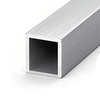
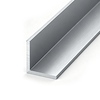
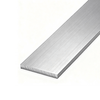
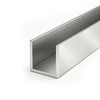
If you want to join aluminum — for example profiles, sheets, or tubes — bonding is often the better choice than welding or screws. Aluminum is a lightweight construction material and is often used in automotive and aerospace applications in combination with other materials such as CFRP (carbon fiber reinforced plastics), GFRP (glass fiber reinforced plastics), steel, magnesium, copper, and zinc to reduce weight and increase structural strength. Stiffening profiles made from aluminum are also often bonded to strengthen the structure without significantly increasing weight. The result is a clean, strong, vibration-damping joint without heat input. Ideally, bonded aluminum joints should be loaded mainly in shear to achieve maximum strength. A proven product for aluminum-to-aluminum bonding is the WEICON Aluminum Fast-Setting Adhesive, a paste-like, aluminum-filled epoxy adhesive that fills gaps, cures quickly at room temperature, and cures without shrinkage. It offers high peel, tensile, and impact strength and can be machined after curing — e.g., filing, drilling, or milling — making it well suited for bonding aluminum to itself or to other light metals.
Bonding aluminum to wood and more
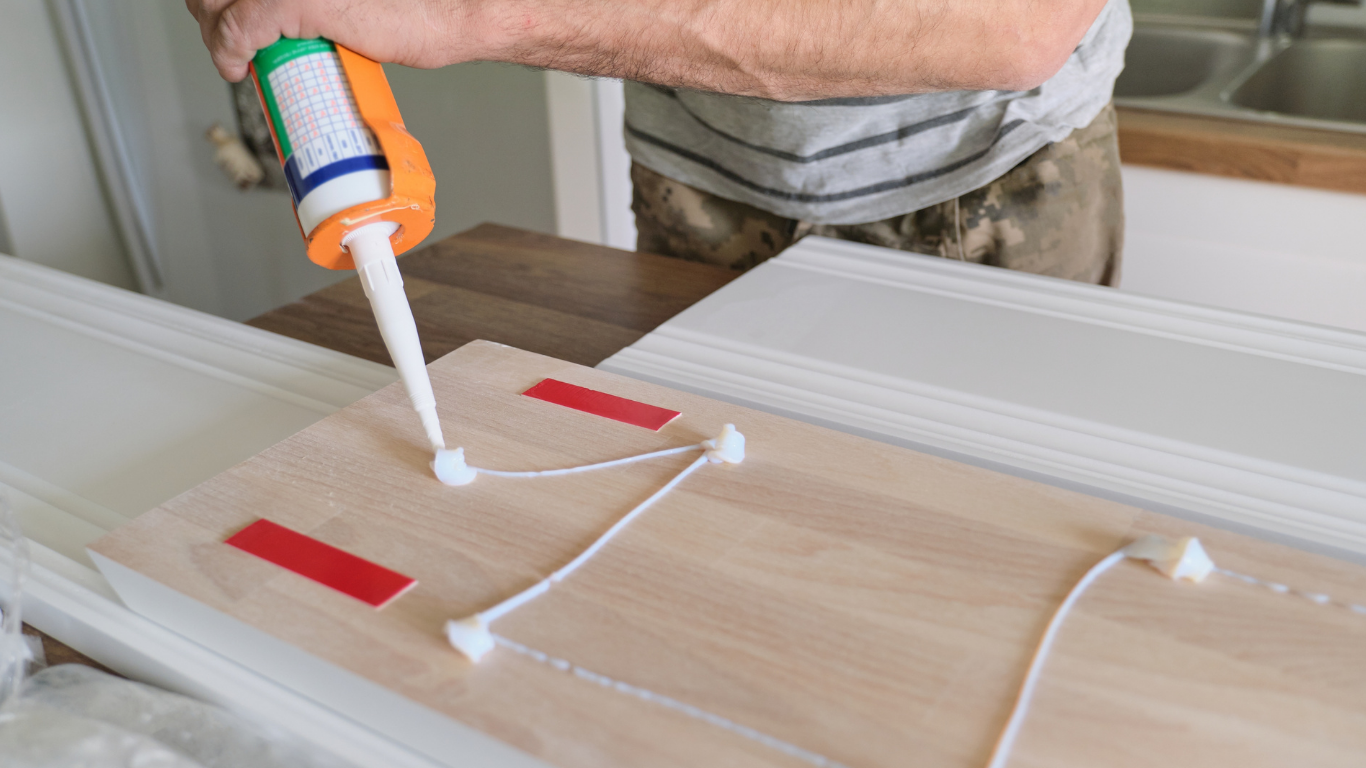
- Bonding aluminum to wood: Ideal for building furniture, cladding, or frames. Use a universal construction/mounting adhesive that adheres reliably even in moisture. This elastic 1-component contact adhesive based on synthetic rubber is suitable for many materials and indoor/outdoor applications — e.g., skirting boards, panels, wall cladding, windowsills, or thresholds.
- Bonding aluminum to plastic / plastic to aluminum: For mixed materials, flexibility matters. Polyurethane or specialty adhesives often deliver better results than rigid epoxies. In automotive trim applications, 2K PUR metal adhesives are commonly used.
- Bonding aluminum to glass: Transparent, elastic mounting adhesives work well, e.g., for decorative elements, kitchen backsplashes, or frameless constructions.
- Bonding aluminum to concrete: Even porous substrates like concrete can be bonded with strong mounting adhesives — e.g., for wall profiles, skirting, or façade elements.
- Bonding cast aluminum: Cast parts made from aluminum alloys can also be bonded well. Remove loose casting residues and dust beforehand so the adhesive can bond properly.
Limits & special cases
If you want to bond coated aluminum parts, aluminum composite panels, or aluminum windowsills, a flexible construction/mounting adhesive is often best — especially where weathering, temperature changes, or slight movement are involved. Elasticity and adhesion matter more here than maximum strength.
For anodized surfaces, primers or chemical pre-treatments can significantly improve adhesion. Always follow the manufacturer’s instructions for using such products to achieve the best results.
Why bonding aluminum to silicone is problematic
Bonding aluminum to silicone is usually not a good idea. Silicone is primarily for sealing, not for strong structural bonding — it remains elastic and typically adheres poorly to metal. Even with specialty adhesives, only light, low-stress applications are realistic. If you need a rigid, durable, load-bearing build, avoid silicone as an “adhesive replacement” and use a suitable metal or construction adhesive instead.
Why: Silicone stays elastic and prevents many adhesives from forming a stable bond bridge. The oxide layer on aluminum plus the smooth (and often slightly curved) silicone surface further reduce adhesion. For load-bearing or stressed joints, epoxy or polyurethane adhesives are far more reliable — silicone is best reserved for sealing or decoupled elements.
Conclusion: Can you bond aluminum?
To answer the question briefly: Yes — you can bond aluminum, and it’s often the better option compared with welding or screws. Especially for lightweight constructions, bonding offers major advantages: clean, fast, durable — and without a full workshop setup. The key is:
-
Choosing the right adhesive (metal, epoxy, acrylic, or polyurethane types),
-
Proper surface preparation (clean, degrease, abrade),
-
Clean application and sufficient curing time.
Most importantly: select the correct adhesive type for your project and follow the manufacturer’s instructions and any applicable guidelines for processing.
Not sure which adhesive is right? No problem — we’ll be happy to advise you personally! Whether it’s a material combination or preparation: when bonding aluminum, it all comes down to the right setup. With our experience and suitable products, we’ll support your project.
FAQ: Bonding aluminum
How long does an aluminum bond last?▸
Many years when done correctly — often longer than screw joints. Important: let the adhesive cure (at least 24 hours) and observe pot life.
Can you bond aluminum outdoors?▸
Yes — with a weather-resistant adhesive (e.g., PU, MS, or 2K adhesives), the joint will withstand UV, rain, and temperature changes.
How does bonding compare in cost to welding?▸
Bonding is usually cheaper and easier — ideal for DIY and repair projects because no special equipment is required.

Author of this article
ABOUT
MIKE
- Over 15 years of hands-on experience in metalworking and the trades
- Strong technical intuition
- Develops practical, sustainable solutions
- Expert customer support and consulting