







Building an outdoor kitchen yourself using aluminum
How to plan your custom outdoor kitchen with aluminum
Reading time 2 minutes
Cooking outdoors has a unique charm and quickly creates a relaxed atmosphere – just like on vacation. It’s no surprise that many people dream of having an outdoor kitchen in their own garden or on the patio. Since prefabricated outdoor kitchens are often expensive, the question arises: Can’t I just build a garden kitchen myself?
In this blog post, we not only explain the advantages of self-built outdoor kitchens, but also give you planning tips and show why aluminum is particularly suitable as a material.
Contents

Key points
- +
Building your own outdoor kitchen creates a cozy, vacation-like atmosphere in your garden.
- +
DIY projects save money and offer maximum flexibility in design and material choice.
- +
Aluminum is ideal for outdoor kitchens: lightweight, weather-resistant, and durable.
- +
Good planning – such as the foundation, connections, and roofing – ensures a functional and long-lasting kitchen.
Why build an outdoor kitchen yourself?
Cooking and dining in a self-built outdoor kitchen is something special. It creates a relaxed, sociable atmosphere that enhances your home.
Advantages at a glance:
- Individual: You determine the design, material, and features.
- Usable all year round: With proper planning, ideal even in winter.
- Cost-saving: DIY is often significantly cheaper than ready-made solutions.
Planning an outdoor kitchen – step by step
- Inspiration & concept:
Think about how your kitchen should look, where it should be located, and which appliances you want to integrate. You can find inspiration online in images, videos, or building guides.
Also decide whether you want to use water, electricity, or gas connections – a building permit may be required for this.
- Utility planning:
Planning water, electricity, or gas connections requires expertise. If necessary, seek support from an electrician or installer before starting construction. - Prepare the foundation:
A stable foundation is crucial. You can pour concrete or pave the area with stones – make sure to measure the space precisely beforehand. - Furnish the kitchen:
When it comes to equipment, there are hardly any limits: gas or electric stove, grill, or storage surfaces – plan exactly what you need in advance. Also consider whether the kitchen should remain mobile or be permanently installed. - Plan roofing:
A roof protects against the weather and extends the usability of the kitchen. Include it early in your planning to avoid unpleasant surprises later.
Which material is suitable for outdoor kitchens?
The following materials are available:
- Aluminum: lightweight, weather-resistant, modern
- Wood: natural, but requires maintenance
- Stone/concrete: robust, heavy, durable
- Plastic: weatherproof, less high-quality appearance

Our recommendation: Aluminum
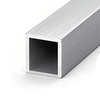
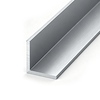
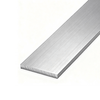
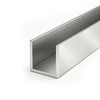
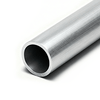
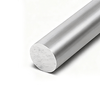
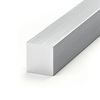
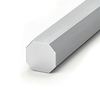
Aluminum profiles are stable, durable, and easy to work with – perfect for DIY projects.
- Easy handling: Aluminum is lightweight and easy to process. Profiles can be cut flexibly and connected with brackets to create stable frames for kitchen cabinets.
- Stylish look: Aluminum frames can be clad with wood or aluminum panels. This creates modern, weather-resistant outdoor kitchens in an industrial or contemporary style.
- Versatility: Aluminum is suitable for weatherproof, robust, and hygienic kitchens – ideal for the garden, patio, or even an outdoor snack bar.

Get started with your DIY outdoor kitchen!
With some craftsmanship, you can handle many steps yourself. Plan carefully and seek expert advice when necessary – especially for utility connections or building permits.
Top advice at alu-verkauf.de
Questions? Write to us at verkauf@alu-verkauf.de or call us at 49 5121 28-290-0. We’ll be happy to help you with

Author of this article
ABOUT
NILS
- Passionate about metal and aluminum
- Experienced product manager
- Solution-oriented and customer-focused
- Technically skilled and pragmatic
- Driven by digital innovation
