






Effective Aluminum Cleaning for Shiny Surfaces
How to Clean Aluminum Effectively – Tips for a Shiny Finish
Reading time: 2.9 minutes
Aluminum is a lightweight metal that forms a protective layer of aluminum oxide and aluminum hydroxide when exposed to air. This layer protects the material from corrosion, but it can also trap dust and dirt particles from the air. Over time, the surface can look dull and dirty – in everyday language, people often say the aluminum has “tarnished.” Because aluminum is more prone to scratches, cleaning requires extra care. In this article, we’ll show you what to watch out for to clean aluminum gently and bring back its shine.
Contents

Key points
- Aluminum forms an oxide layer that can look dull over time
- Gentle cleaning is important because aluminum scratches easily
- Dish soap, baking soda, citric acid, or ketchup can be effective
- Anodized aluminum needs especially mild care
- Always rinse with clean water and dry thoroughly
Aluminum surfaces with light dirt
For light soiling, simple household cleaners such as regular dish soap are often enough. In most cases, they remove dirt reliably. Important: after cleaning, rinse the aluminum profile or aluminum plate thoroughly with clean water and dry it carefully. This helps prevent both detergent residue and unsightly water spots.
Aluminum surfaces with heavier dirt
For stubborn dirt such as adhesive residue, you can use common solvents. Acetone is an effective option for removing residues thoroughly and cleaning the aluminum surface.
Heavy dirt with a damaged surface
For heavily soiled aluminum surfaces where the structure is already damaged, simple cleaners are often no longer sufficient. In such cases, mechanical methods such as sandpaper may be necessary. Keep in mind that sanding can cause scratches that may affect the appearance.
These household remedies work well
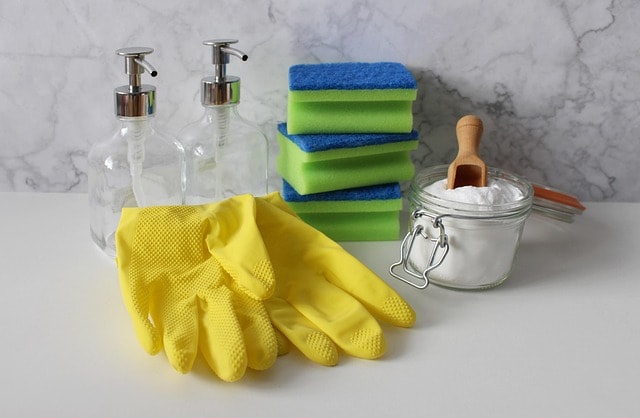
Aluminum can be cleaned not only with special cleaners, but also cheaply and easily with household remedies. Baking soda, citric acid, or ketchup are proven alternatives for thoroughly cleaning aluminum surfaces and restoring shine.
Cleaning aluminum with baking soda: step-by-step
Baking soda is an effective household remedy for gently cleaning aluminum. Depending on the surface size, you’ll need one or two packets. Mix the baking soda with a little water to form a paste, then apply it to the aluminum surface. Rub the paste in gently to remove dirt without damaging the material.
Cleaning aluminum with citric acid: how it works
In some cases, a simple slice of lemon is enough to make aluminum shine again. First, wipe the surface of the aluminum profile or aluminum plate thoroughly to remove coarse dirt particles and avoid scratches. Then rub the aluminum surface with the lemon slice until the dirt is removed. If needed, repeat the process until you achieve the desired result. Cleaning aluminum with citric acid is quick, effective, and environmentally friendly.
Cleaning aluminum with ketchup: simple and effective
Did you know aluminum can be cleaned with ketchup? Thanks to the vinegar and water it contains, ketchup acts as an acidic cleaning agent. Apply ketchup with a soft cloth and rub the aluminum surface until the dirt is gone. An unusual but effective method for cleaning aluminum!
Important! Always rinse the surface thoroughly with clean water afterward and dry it carefully. This prevents residue and helps protect the aluminum from possible damage.
How to clean anodized aluminum
Anodized and powder-coated aluminum is especially resistant to corrosion, but it requires gentle cleaning to avoid scratches or dull spots. With proper care, the surface stays attractive and intact for a long time. Here’s how to clean anodized or powder-coated aluminum correctly.
Use mild cleaning agents
To avoid damaging the sensitive coating, do not use aggressive or abrasive cleaners. Instead, use:
Mild dish soap – ideal for removing grease
Special aluminum cleaners – suitable for coated surfaces
Lukewarm water with a splash of vinegar or citric acid – helps with limescale (test first on an inconspicuous spot)
Use soft cloths or sponges
To prevent scratches or damage, use soft materials:
Microfiber cloths – especially gentle on delicate surfaces
Soft sponges – ideal for larger areas
Tip: Clean using gentle circular motions to remove deposits evenly and thoroughly.
Rinse with clean water
After cleaning, rinse the surface thoroughly with water. This removes all cleaner residues that could otherwise leave streaks or spots. This step is especially important if your water is high in minerals (hard water).
Dry thoroughly
After rinsing, dry the aluminum with a soft, lint-free cloth. This prevents water spots and ensures an even, shiny finish.
Tip: If water spots still appear, you can gently remove them with a damp microfiber cloth or a little diluted vinegar water.
As with most materials, the same applies to aluminum: the sooner you start cleaning, the easier it is to remove dirt. A thin layer of grime takes less effort to remove and helps protect the surface from further damage.
FAQ: Cleaning aluminum
How do you make aluminum look like new again?▸
A mixture of citric acid or vinegar and a little baking soda can help clean tarnished aluminum. The acids dissolve light oxidation and grime, while baking soda supports the process mechanically through bubbling when it reacts with acid. However, this does not replace polishing for heavily oxidized or scratched surfaces.
What helps against oxidation on aluminum?▸
You can remove light oxide layers with household remedies like lemon juice or ketchup. For heavier oxidation, use dedicated aluminum cleaners with chelating agents or surfactants designed to tackle the passive Al₂O₃ layer.
Which household remedies are suitable for cleaning aluminum?▸
Baking soda, lemon juice, vinegar, and dish soap are proven household options. Use them sparingly on anodized aluminum, as the oxide layer can react sensitively to acids. Dish soap is ideal for degreasing as a first step.
Can I clean aluminum with stainless steel cleaner or WD-40?▸
Not recommended: stainless steel cleaners often contain abrasives or chlorine compounds that can attack aluminum. WD-40 is not a cleaner but a lubricant. It can loosen grime, but it leaves an oily film that must be removed thoroughly.
How can I refresh oxidized or corroded aluminum?▸
First clean with citric acid or a dedicated aluminum cleaner. Then you can polish with an abrasive pad (e.g., Scotch-Brite) or a nylon brush. For protection, consider sealing with wax or an aluminum spray.
Which cleaner is suitable for anodized or painted aluminum?▸
pH-neutral cleaners are best for anodized surfaces. They protect the sensitive oxide layer and prevent loss of shine. Avoid abrasive products or strongly alkaline cleaners.
What should you avoid when cleaning aluminum?▸
Avoid steel wool, abrasive cleaners, and chlorine-based or strongly alkaline cleaners such as lye. They can cause scratches, damage the surface, or promote corrosion.
Are there special cleaners for outdoor aluminum?▸
Yes, outdoor aluminum cleaners often contain surfactants, corrosion inhibitors, and film-forming agents. They don’t just clean—they also provide longer-lasting protection against weathering, making them ideal for garden furniture, facades, or building elements.
How much does professional aluminum cleaning cost?▸
Prices depend on the level of soiling and the surface area. Small items such as rims typically cost €20–€50, while larger projects (e.g., facades) often start at €100. Special processes such as dry ice blasting or chemical pickling are significantly more expensive.

Author of this article
ABOUT
NILS
- Passionate about metal and aluminum
- Experienced product manager
- Solution-oriented and customer-focused
- Technically skilled and pragmatic
- Driven by digital innovation