







Build your own aluminum pool cover
This is how you build your custom aluminum pool cover – efficient, safe, and cost-saving
Reading time 2 minutes
A pool in your own garden is a real luxury – especially in summer. But besides the fun of swimming, proper maintenance is also crucial.
A key element: the pool cover. It protects against dirt, maintains the water temperature, and prevents algae growth. If you build it yourself, you not only save money, but can also customize it. In this post, we show you what you should pay attention to and what variants there are.
Contents

Key points
- +
Pool covers reliably protect against leaves, dirt, and algae formation.
- +
They significantly increase safety for children and pets.
- +
Less evaporation means lower heating and water costs.
- +
Building it yourself saves costs and allows customized solutions.
- +
Aluminum is light, stable, weather-resistant, and ideal for DIY pool covers.
The advantages of a pool cover
A self-built cover is cheaper and can be customized. Three main reasons speak for it:
1. Protection against dirt
Leaves, pollen, and insects would otherwise end up in the pool – that is time-consuming to clean. In addition, light promotes algae growth. A pool cover keeps dirt away and protects against UV rays.
2. Safety for children and animals
An unsecured pool is dangerous. A stable cover effectively protects children and pets.
3. Energy and cost efficiency
Less water evaporates, and the heat is retained longer. This saves heating costs and water – good for the environment and your wallet.
Pool cover variants
Cover tarps for every season
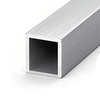
Solar covers heat the pool in summer; winter tarps protect in frost. Inflatable films with an insulating layer retain heat. Suitable fastenings are required for all variants, e.g. with aluminum poles.

Roller shutter cover
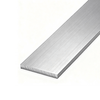
Roller shutters look elegant, protect reliably, and are walkable. They can be built yourself with aluminum flat profiles.

Roll-protection cover
This consists of a sturdy tarp with aluminum tubes and is especially load-bearing. It can be operated manually or electrically and is suitable for winter and summer.

Round pool cover
Ideal: a convertible cover made of aluminum frame and transparent film – foldable and flexible. Not winter-proof, but easy to build.

Pool enclosure
Luxurious, elegant, and functional: mounted on rails, the enclosure can be opened or closed as needed. It protects year-round and makes swimming possible in any weather.
DIY planning – step by step
Step 1: Clarify requirements
- Should the cover only protect against dirt, or also provide safety?
- Looks, or pure functionality?
- Do you also want to swim when it rains?
- Summer cover, or also winter-proof?
Step 2: Measure & plan
Choose the right variant and measure your pool precisely so you can build it to fit later.
Step 3: Material choice
Aluminum is light, stable, weather-resistant, and easy to work with – perfect for DIY use outdoors.
Time for your pool cover!
With a bit of craftsmanship, you can build your pool cover yourself – custom, inexpensive, and sustainable.
Note: Even with a cover, children or pets must never be left unattended by the pool.
Top advice at alu-verkauf.de
Questions? Write to us at verkauf@alu-verkauf.de or call: 49 5121 28-290-0 – we’ll be happy to advise you!
FAQ on the topic of building a pool cover yourself
What is the cheapest way to cover a pool?▸
The cheapest option is a DIY solution made of aluminum profiles and cover film. Aluminum is light, stable, and durable – ideal for customized, cost-efficient cover systems.
How much does an aluminum pool cover cost?▸
Costs vary depending on size, design, and material. DIY covers with aluminum profiles start at approx. €200–€500 and are significantly cheaper than ready-made systems.
Does a pool warm up faster with a cover?▸
Yes – especially covers with transparent film or a solar cover work like a greenhouse. Aluminum constructions provide the stable base for effective thermal insulation.
Should you cover the pool at night or when it rains?▸
Absolutely – a cover reduces heat loss and protects against dirt. Aluminum frames allow quick opening and closing – practical when the weather changes.
What happens if you don’t cover the pool?▸
Dirt gets into the water, algae growth is promoted, and energy is lost. A pool cover saves time, costs, and energy in the long term.
How many degrees does a pool lose overnight without a cover?▸
Depending on the outside temperature, a pool loses 2–5°C per night without a cover. A well-constructed aluminum cover with insulating film significantly reduces this loss.
What is the best way to cover a pool for winter?▸
A stable aluminum frame construction with a winter-proof tarp or polycarbonate sheets effectively protects against snow, frost, and dirt – ideal for the cold season.
Which pool cover is the safest?▸
Walkable or child-safe roll-protection covers on aluminum frames provide maximum safety. They are load-bearing and reliably prevent accidents.
What are the disadvantages of a pool cover?▸
Less spontaneous use, more effort when opening/closing. With a well-thought-out construction (e.g., foldable or movable), this disadvantage can be minimized.
How can I build a pool cover myself?▸
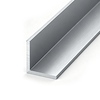
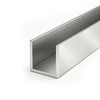
With aluminum profiles, hinges, tarps, or sheets you can build an individual cover – whether foldable, rollable, or walkable. In our shop you will find all the components you need.

Author of this article
ABOUT
NILS
- Passionate about metal and aluminum
- Experienced product manager
- Solution-oriented and customer-focused
- Technically skilled and pragmatic
- Driven by digital innovation
