






Convert a VW bus yourself
With these tips, your camper conversion will be a success!
Reading time 7 minutes
Touring Europe in your own VW bus and discovering the most beautiful spots on the continent is a dream for many people. But it doesn’t have to stay a dream, because by now the path to a self-converted camper is no longer all that far away, and the costs are still within limits compared to buying a new one.
The advantages of a converted camper compared to an unconverted one are obvious, because a self-converted VW bus serves as a second home and has little in common with an ordinary motor vehicle. The road to a cozy home on wheels isn’t as rocky as many imagine, and you too can convert your VW bus yourself with the camper conversion tips presented here.
Contents

Key points
- +
A VW bus offers plenty of storage space, compact dimensions, and high everyday practicality – ideal for a camper conversion.
- +
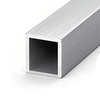
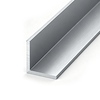
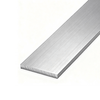
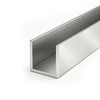
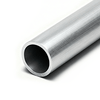
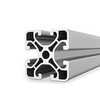
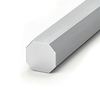
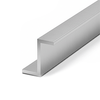
Aluminum profiles enable modular furniture and stable constructions – perfect for a DIY conversion.
- +
Important: planning, insulation, a storage concept, and secure fastening of the furniture – that’s how your camper dream becomes reality.
Converting a VW bus yourself – how to make your next camping vacation perfect!
If you enjoy camping, you will love a vacation in a self-converted camper, because hardly any other type of vacation stands for as much freedom and closeness to nature as traveling in your own camper. It doesn’t matter whether it’s just a short weekend trip or a four-week summer vacation in southern Europe. With a self-converted camper, you always have your own four walls with you and can decide everything yourself on your trip without being dependent on hotels, trains, buses, or anything else. Many people therefore want to convert their VW bus themselves. Are you one of them too?
Traveling with a VW bus with an interior conversion means enjoying the greatest possible flexibility while traveling and not having to do without anything. Everything you need for camping can be stored very practically in the bus and then used when needed. That also means you can go wherever you want and don’t have to worry about accommodation or the journey in advance.
If a beautiful place suddenly appears on your trip, you can stop there without further planning. This is not possible to that extent with a normal vacation, because you are constantly tied to the booked accommodation and also have to stick to certain dates.
Converting a VW bus yourself – why is a VW bus so well suited for camping?
Many people who like to go camping on vacation and want to travel independently in their own campervan want to convert a VW bus themselves. The VW bus is generally the most popular bus for camping and is clearly in first place. There are many reasons for this, but above all owners appreciate the durable engine and the otherwise stable and robust construction and therefore decide on a T4 camper conversion.
That’s why you can convert your VW bus yourself to breathe new life into it. Many Europeans use their camper to spend their holidays in southern Europe in summer and enjoy the warm summer. The advantage of a summer vacation is that cooking, eating, and socializing usually take place outdoors, so you don’t have to rely on the storage space inside the VW bus. You should keep this in mind if you want to convert a VW bus yourself. After all, you can decide for yourself what options it should offer you.
If you also add a canopy in the form of an awning or something similar, you can sit in the blazing sun or protect yourself from rain at short notice. Everything else can be stored practically in the bus, because there is a lot of storage space there. If you make sure during the conversion to install enough drawers and cabinets in your camper, you can store all your camping equipment, clothes, and of course food there.
The size and storage options in the VW bus are better than in most other camper models, which is why many people prefer to convert a VW bus themselves rather than choose another model. Another big advantage of converting a VW bus yourself that encourages many to buy one is that a VW bus is not much larger than normal passenger cars, so you will always be able to find a parking space with your bus. A clear argument if you are still hesitating whether you should convert a VW bus yourself or prefer a different vehicle as a base.
Many other campervans have a very long wheelbase and have to look for extra-large spaces when parking. This is also a big issue on campsites, because the selection of spaces for smaller cars and buses is much larger than for the big vans. So everything speaks for it: convert a VW bus yourself!
Converting a VW bus yourself – ideas and tips for a successful and individual conversion
Before you start converting your VW bus yourself, you should have good, well-thought-out planning in place. Make yourself a concept, write down everything you would like to have in your own new camper, and research basic topics such as electronics, water, and possible special requests such as solar or similar. On the internet you will find a lot of inspiration for how you can convert your VW bus yourself and will come up with more T5 conversion ideas, because hundreds of thousands of people before you have already converted their own VW bus. If there are problems with the exterior of the bus, it should be handled by a professional, because rust and other damage should be repaired professionally as quickly as possible to prevent moisture.
Anyone who wants to manage the VW T5 conversion themselves should start with insulation. If the camper is to be used for sleeping, it must not get too cold inside at night, and sound insulation while driving is also highly recommended. There is no single VW bus conversion guide, because every camper setup is individual and you decide what happens in your van conversion and what doesn’t. To convert the camper, it is highly recommended to remove all parts of the interior first, because only then can you basically start from scratch and realize all your wishes.
Sleeping in the VW bus
Anyone who integrates a sleeping option in their VW bus when converting it themselves also doesn’t need to bring an additional tent, but can simply lie down in the bed in the bus at the next stop and relax there. Even on long trips, an integrated bed in the van is the best way not to have to look for separate accommodation, and on top of that you save hard cash on every night spent in your camper.
Just as important as a sleeping option is the option to cook there. You should keep that in mind if you want to convert a VW bus yourself. Most owners of camping buses use a small kitchenette that is installed inside the bus. But it is also an increasingly popular method to install the kitchenette as a pull-out unit in the rear of the bus.
For this, either wood or aluminum profiles can be used, which are then repurposed into a pull-out kitchenette. The advantage of this construction is that for cooking, the small kitchen is simply pulled out so that cooking smells stay outside the bus and you can sleep there undisturbed. Be sure to plan this in if you want to convert your VW bus yourself.
Converting a VW bus yourself – how much does converting your VW bus cost?
VW bus camping is becoming more and more popular, and more and more people use a T5 conversion guide, their own time, and their own hands to fulfill the dream of a self-converted camper. The costs of the camper conversion cannot be defined in general, because everyone has different preferences and requirements. For example, anyone who wants to build the bed themselves for their VW bus will save money in this respect compared to buying the bed as a pre-built unit. The basic equipment of the camper also plays an important role: if the camper is already insulated, the costs are eliminated at that point.
You should already think about your budget when buying the camper, if you don’t already own it, because the better the condition of the camper, the fewer costs you will later incur at the workshop. Above all, it comes down to a good engine and also to the camper not having too many rusty spots. Anyone who searches online for a T5 conversion guide for converting a VW bus will usually find the costs there too and can thus estimate what their own conversion will cost.
FAQ on the topic of VW bus conversion
Which VW bus is best suited for conversion?▸
Popular models for conversion are VW T3, T4, T5, and T6. They offer enough space, robust engineering, and a large community with conversion ideas. VW T2 or California models are also in demand. The choice depends on budget, space requirements, and desired equipment.
How much does a VW bus conversion cost?▸
Costs vary widely. A simple DIY conversion with a bed and storage starts at around €1,000. Full conversions with kitchen, electrics, water installation, and high-quality furniture often range between €5,000 and €15,000 or more – depending on the equipment.
Is it cheaper to convert a camper yourself?▸
Yes – doing it yourself usually saves costs and allows you to choose materials and equipment freely. However, you need time, tools, and craftsmanship.
What do you need for converting a VW bus?▸
Important are good planning, measuring tools, insulation material, wood or aluminum profiles for furniture building, fastening materials, 12V electrics, a water solution (e.g., canisters & a sink), and clever storage solutions.
How long does converting a VW bus take?▸
That depends on the scope of the conversion. A simple interior conversion can be done on weekends within a few weeks. A complete conversion with technology and furniture often takes several months.
What alternatives to the VW bus are there?▸
Alternatives are vans such as the Mercedes Sprinter, Ford Transit, Fiat Ducato, or Renault Master. They offer more space and often greater interior height – ideal for standing height without a pop-top roof.
Are there ready-made kits for VW bus conversions?▸
Yes – there are modular furniture sets, rail systems, and interior conversion kits specifically for VW buses. These make the conversion much easier and save planning time.
Which components should a camper conversion have?▸
Typical components are: bed, storage, kitchen module (e.g., gas stove, sink), water canisters, 12V battery or solar system, lighting, and optionally a small bathroom. Depending on your needs, a heater or cooler box can be added.
Is a converted VW bus a good investment?▸
Only to a limited extent. High-quality conversions or rare VW buses (e.g., T3 Syncro, California) can hold their value well. In general, a camper is more of a utility vehicle – value retention depends on condition, conversion, and market demand.

Author of this article
ABOUT
NILS
- Passionate about metal and aluminum
- Experienced product manager
- Solution-oriented and customer-focused
- Technically skilled and pragmatic
- Driven by digital innovation