







Differences between aluminum, steel, and stainless steel
Reading time approx. 7 minutes
Aluminum, steel, and stainless steel are among the most important materials for construction, trade, industry, and DIY projects. All three materials are metals, but they differ significantly in terms of weight, stability, corrosion protection, processing, maintenance, and price.
Which material is best suited depends heavily on the area of application. If you want to build a lightweight outdoor structure, aluminum is often the best choice. If maximum load capacity is required, steel can be a good option. For high-quality, corrosion-resistant visible parts, stainless steel is frequently used.
Table of Contents

The Most Important Points in Brief
-
+
Aluminum is lightweight, weather-resistant, and suitable for DIY projects, profiles, tubes, and garden structures.
-
+
Steel is very stable and resilient, but usually requires protection against rust outdoors.
-
+
Stainless steel is high-quality, robust, and corrosion-resistant, but heavier and usually more expensive.
-
+
For lightweight outdoor structures, aluminum is often the most practical solution.
Aluminum, Steel, and Stainless Steel in Comparison
The differences between aluminum, steel, and stainless steel are particularly evident in weight, corrosion protection, and processing. While aluminum impresses with its low weight and easy workability, steel scores with high strength. Stainless steel is often chosen when aesthetics, hygiene, and corrosion resistance are especially important.
Aluminum: lightweight, weather-resistant, and easy to work with
Aluminum is particularly lightweight and is very suitable for constructions where weight plays an important role. It does not rust like steel, but forms a natural oxide layer on its surface. This makes aluminum weather-resistant and easy to maintain.
For DIY enthusiasts, aluminum is particularly pleasant because it is easy to saw, drill, and assemble. Depending on the alloy, it can also be bent, milled, or further processed. Therefore, aluminum is often used for profiles, tubes, sheets, frames, and modern DIY projects.
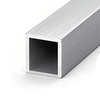
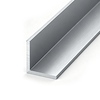
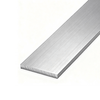
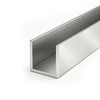
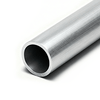
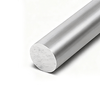
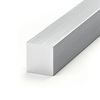
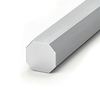
Aluminum is particularly suitable for frames, covers, furniture construction, garden projects, and lightweight structures. You can find suitable products, for example, in our profiles, tubes, and sheets.
Steel: very stable, but prone to rust without protection
Steel is very durable and is frequently used when high strength is required. It is well-suited for load-bearing structures, mechanical engineering, workshop construction, or heavy frames.
The biggest disadvantage of ordinary steel is its susceptibility to rust. Outdoors, steel therefore usually requires suitable surface protection. It is often galvanized, painted, or powder-coated to prevent moisture and oxygen from attacking the surface too quickly.
Steel is ideal when maximum stability is more important than weight, ease of processing, or corrosion protection.
Stainless steel: high-quality, robust, and corrosion-resistant
Stainless steel is more corrosion-resistant than ordinary steel and appears particularly high-quality. It is often used where aesthetics, hygiene, or long-term weather resistance are important.
However, it is important to note: Not all stainless steel is automatically equally rust-resistant. For many outdoor areas, V2A is frequently used. For heavier exposure to salt, chemicals, or aggressive environments, V4A is more suitable.
Stainless steel is particularly suitable for railings, screws, kitchen areas, design elements, damp environments, and visible components with a high-quality appearance.
Decision Aid: Which Material Suits Your Project?
The right choice depends on what you want to build. For lightweight, weather-resistant, and easily workable constructions, aluminum is often the simplest solution. Steel is useful when maximum load capacity is required. Stainless steel is worthwhile when aesthetics, corrosion resistance, and durability are paramount.
| Problem | Best Choice |
|---|---|
| I want to build something lightweight for outdoors. | Aluminum |
| I need maximum stability and weight is not an issue. | Steel |
| I want a high-quality, rust-resistant surface. | Stainless Steel |
| I want to saw, drill, and assemble myself. | Aluminum |
| It should be inexpensive and extremely durable. | Steel |
| It should look good outdoors and require little maintenance. | Aluminum or Stainless Steel |
| It comes into contact with salt, moisture, or chemicals. | Stainless Steel, depending on the environment V4A (especially corrosion-resistant stainless steels with molybdenum content) |
Quick Comparison for everyday shop use
Aluminum is the best choice if a material needs to be lightweight, weather-resistant, and easy to work with. It does not rust like steel and is ideal for gardens, DIY projects, profiles, tubes, and lightweight constructions.
Steel is particularly stable and resilient. However, outdoors, steel needs protection against rust, for example, galvanizing, painting, or powder coating.
Stainless steel combines high stability with good corrosion resistance and a high-quality appearance. However, it is heavier, more expensive, and harder to work with than aluminum.
Very brief decision aid:
- Aluminum = lightweight, weather-resistant, and easy to work with. Ideal for DIY, garden, and modern constructions.
- Steel = very stable, but heavy and prone to rust without protection.
- Stainless steel = high-quality, robust, and corrosion-resistant, but more expensive and harder to work with.
Further Information
These pages will help you with material selection, processing, and suitable aluminum products:
FAQ on Aluminum, Steel, and Stainless Steel
What is better: aluminum or stainless steel?▸
That depends on the application. Aluminum is lighter and easier to work with. Stainless steel is more robust, higher quality, and, depending on the grade, very corrosion-resistant, but also heavier and more expensive.
Which lasts longer: aluminum or stainless steel?▸
Both materials can be very durable. Stainless steel is often more resistant to high moisture, salt, or chemical exposure. Aluminum is also very durable in normal outdoor applications when used appropriately.
Which is more robust: stainless steel or aluminum?▸
Stainless steel is generally more robust and stronger than aluminum. However, aluminum scores with significantly lower weight and easier processing.
Which rusts faster: aluminum or stainless steel?▸
Aluminum does not rust like steel but forms a protective oxide layer. Stainless steel is also very corrosion-resistant, depending on the stainless steel grade and the environment.
Is stainless steel the same as aluminum?▸
No, stainless steel and aluminum are different metals. Stainless steel is a particularly corrosion-resistant steel alloy, while aluminum is a very light metal with a natural oxide layer.
Is aluminum magnetic?▸
Aluminum is not magnetic. Many stainless steels are also not or only weakly magnetic, depending on the grade. Normal steel, on the other hand, is usually magnetic.
How do I recognize aluminum or stainless steel?▸
Aluminum is significantly lighter than stainless steel and usually appears brighter and softer. Stainless steel is heavier, often harder, and can appear shinier depending on the surface. A magnet test can help but is not always conclusive.
What is the disadvantage of stainless steel?▸
Stainless steel is heavier, more expensive, and harder to process than aluminum. When sawing, drilling, or grinding, suitable tools and more effort are required.
What is better for outdoors: aluminum or steel?▸
For many outdoor areas, aluminum is more practical because it does not rust like steel and requires little maintenance. Steel can also be used outdoors but usually requires galvanization, painting, or powder coating.
Is aluminum harmful to health?▸
For technical constructions, profiles, tubes, sheets, and garden projects, aluminum is generally considered unproblematic. However, for direct food contact, suitable materials and surfaces should be used.

Author of this article
ABOUT
MIKE
- Over 15 years of hands-on experience in metalworking and the trades
- Strong technical intuition
- Develops practical, sustainable solutions
- Expert customer support and consulting
